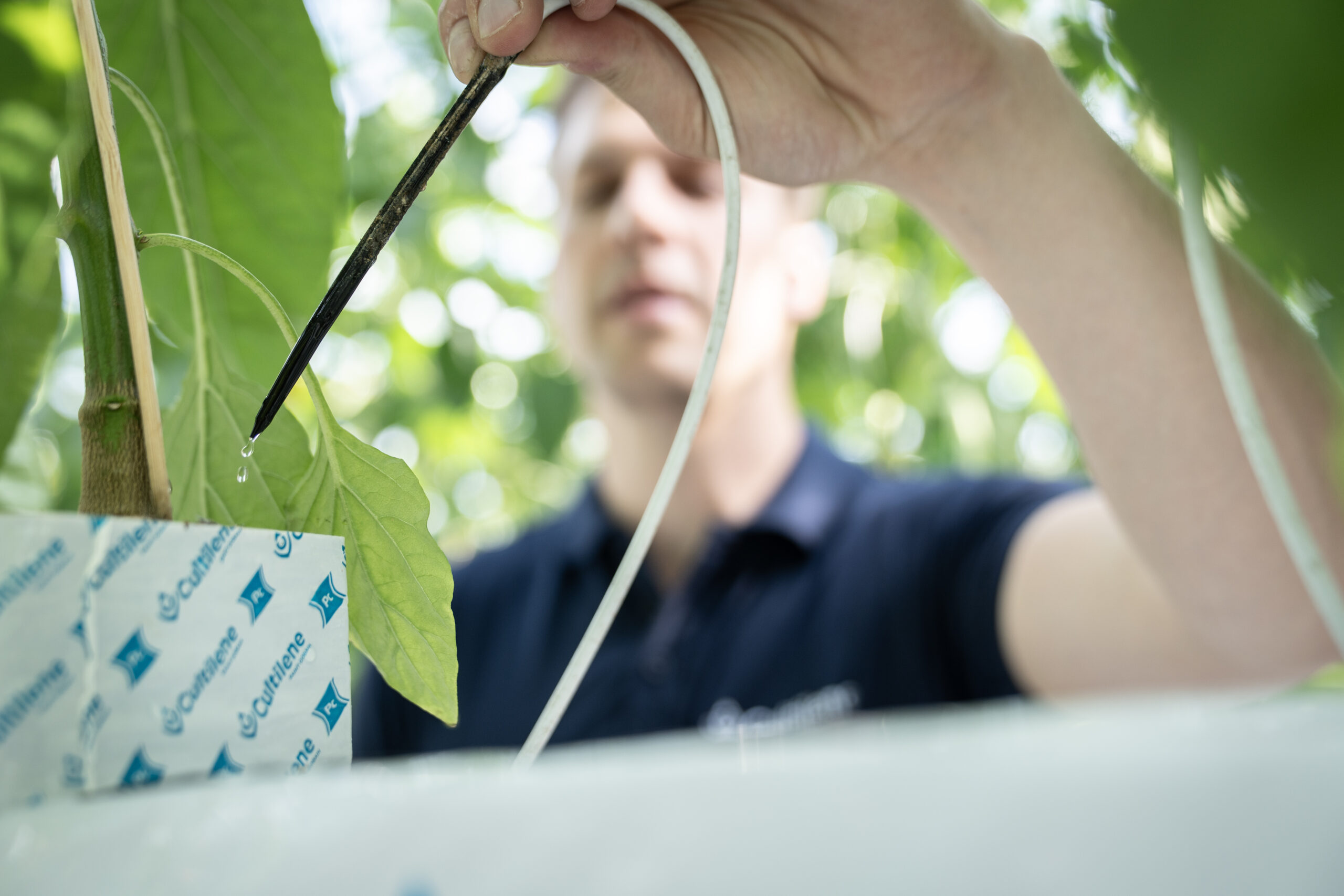
The goal of every greenhouse irrigation strategy should be to maintain water balance in the crop.
Article
Empower plants through well-balanced irrigation
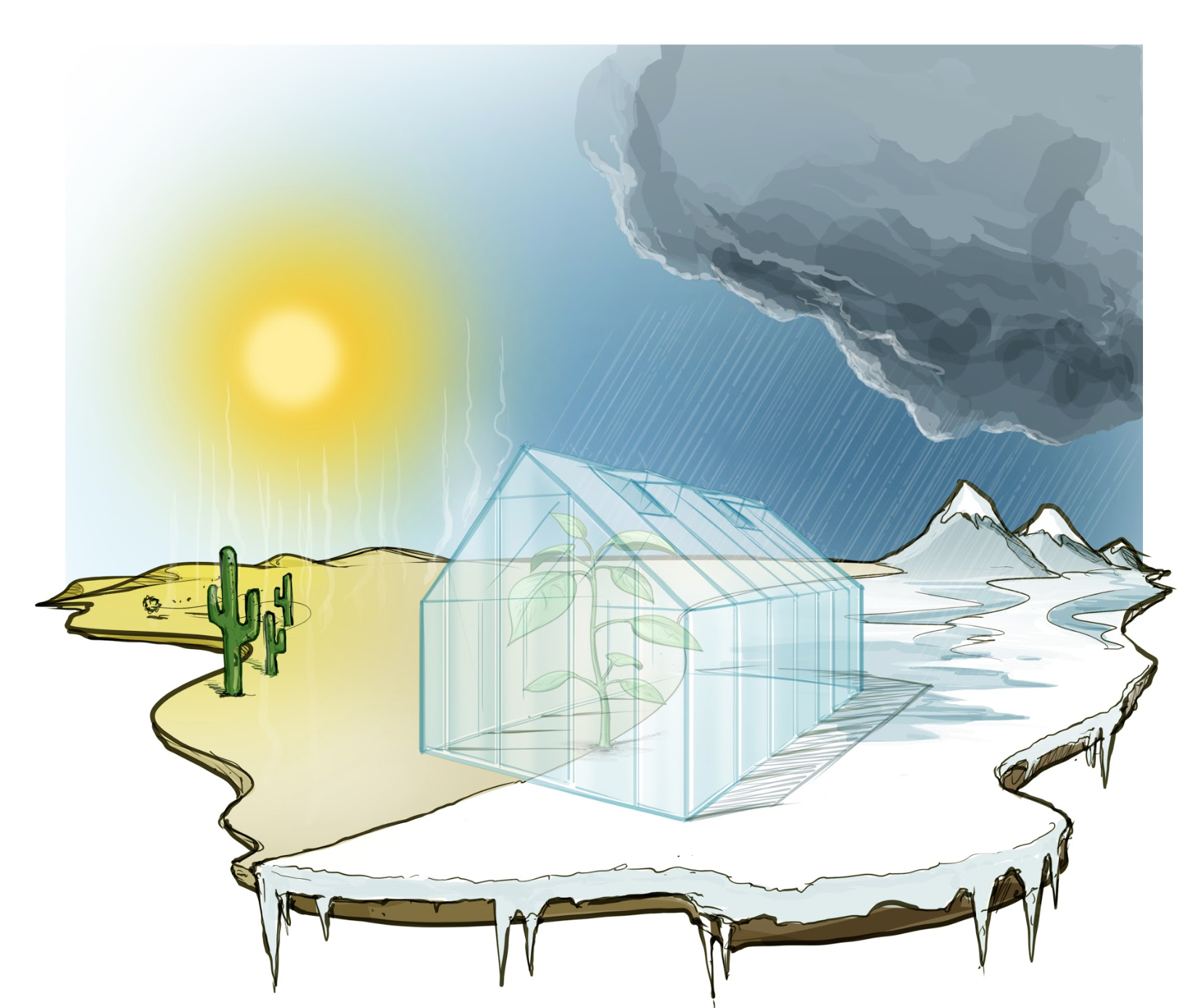
The concept of "Growing by Plant Empowerment" (GPE) brings experience and knowledge together in an integrated approach.
What is Plant Empowerment?
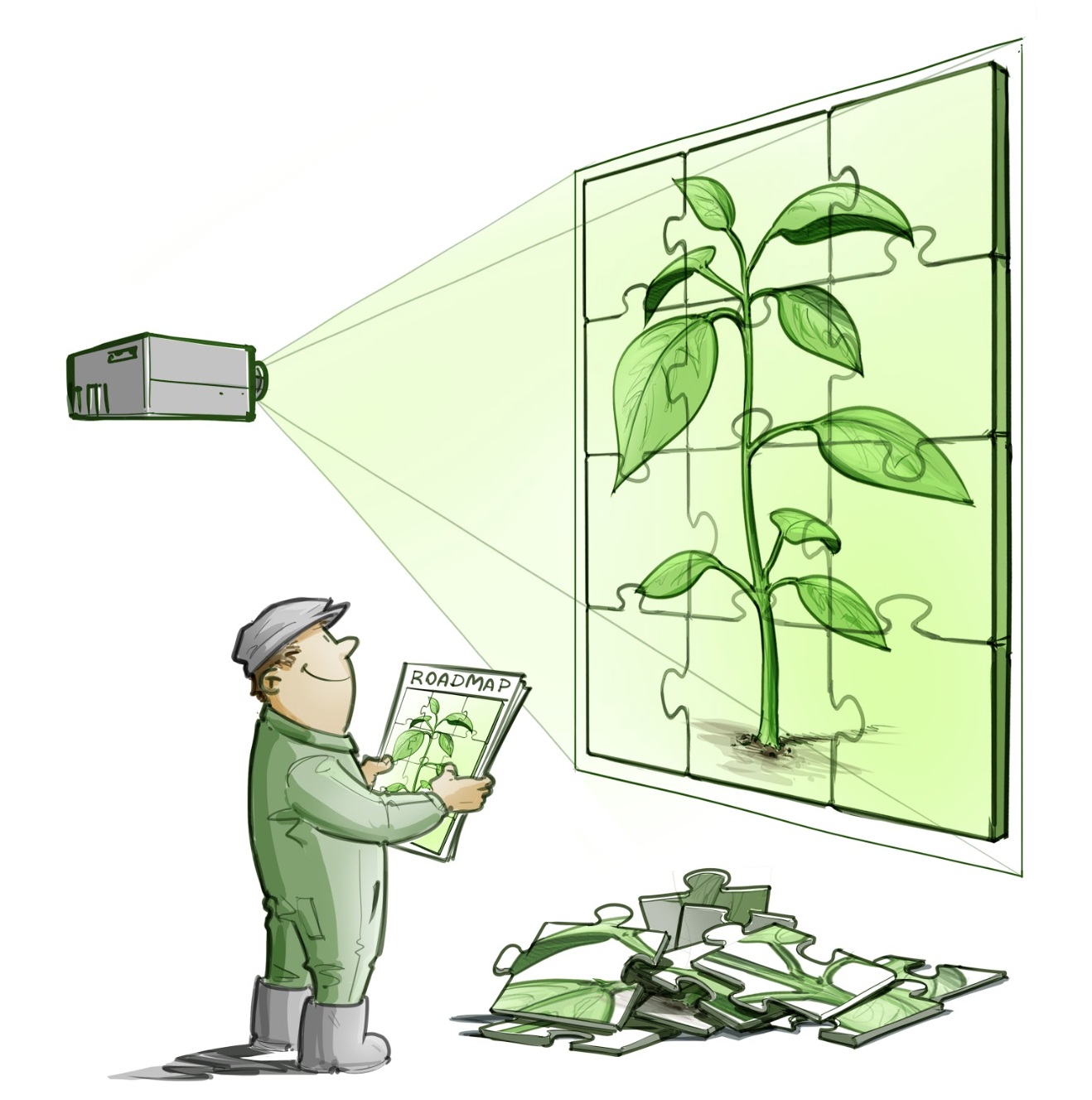
Typically, traditional plant production methods are based on a mixture of blueprints, best practices, common knowledge of plant physiology, as well as the ‘green fingers’ and ’emotional perception’ of growers. This approach has been successful, but also has several limitations. The concept of “Growing by Plant Empowerment” (GPE) brings experience and knowledge together in an integrated approach.
Physical and plant physiological knowledge
Its starting point is the natural behaviour of plants related to the greenhouse environment, as described by six balances concerning energy, water, CO2 and assimilates. Monitoring these balances with sensors, combined with crop measurements in a coherent framework based on physical and plant physiological knowledge and insights, provides hard facts required to control and improve the cultivation process.
Well-balanced irrigation
Typically, an irrigation strategy consists of a mixture of different methods, based on clock times (such as start time, stop time and time intervals), radiation intensity (W/m2) and light sum (j/cm2), the measured percentage of drainage water, water content or weight of the slab, and so forth. The goal of the irrigation strategy, however, should be to support the plant’s water balance and to ensure CO2 uptake for photosynthesis by keeping the stomata open under high radiation conditions. This maximizes the light use efficiency (LUE) and production of assimilates for growth and development. Therefore, irrigation should be closely aligned to evaporation rates at all time. Since energy input is the driving force behind evaporation, it is possible to estimate actual evaporation rates by measuring the incoming radiation energy through a pyranometer outside or, preferably, a PAR sensor inside at crop level. The humidity deficit of the air, the heating pipe temperature, as wel as other factors, can also be used to refine this estimation. Of course, a method to check the applied irrigation strategy is required. That can be done by monitoring the water supply and the water content of the slab or the pot, but an even better way is by observing stomatal behaviour by measuring plant leaf temperature and monitoring the vapour pressure difference (VPD) between the plant and the air – we will revisit this later.
Read the whole article? Download the complete Plant Empowerment whitepaper series
Other interesting articles
Other news

How do climate strategies influence plant health and pest pressure?
Open: How do climate strategies influence plant health and pest pressure?
How do you create a healthy rootzone in greenhouse crops?
Open: How do you create a healthy rootzone in greenhouse crops?
Why do spider mites keep coming back in your greenhouse?
Open: Why do spider mites keep coming back in your greenhouse?