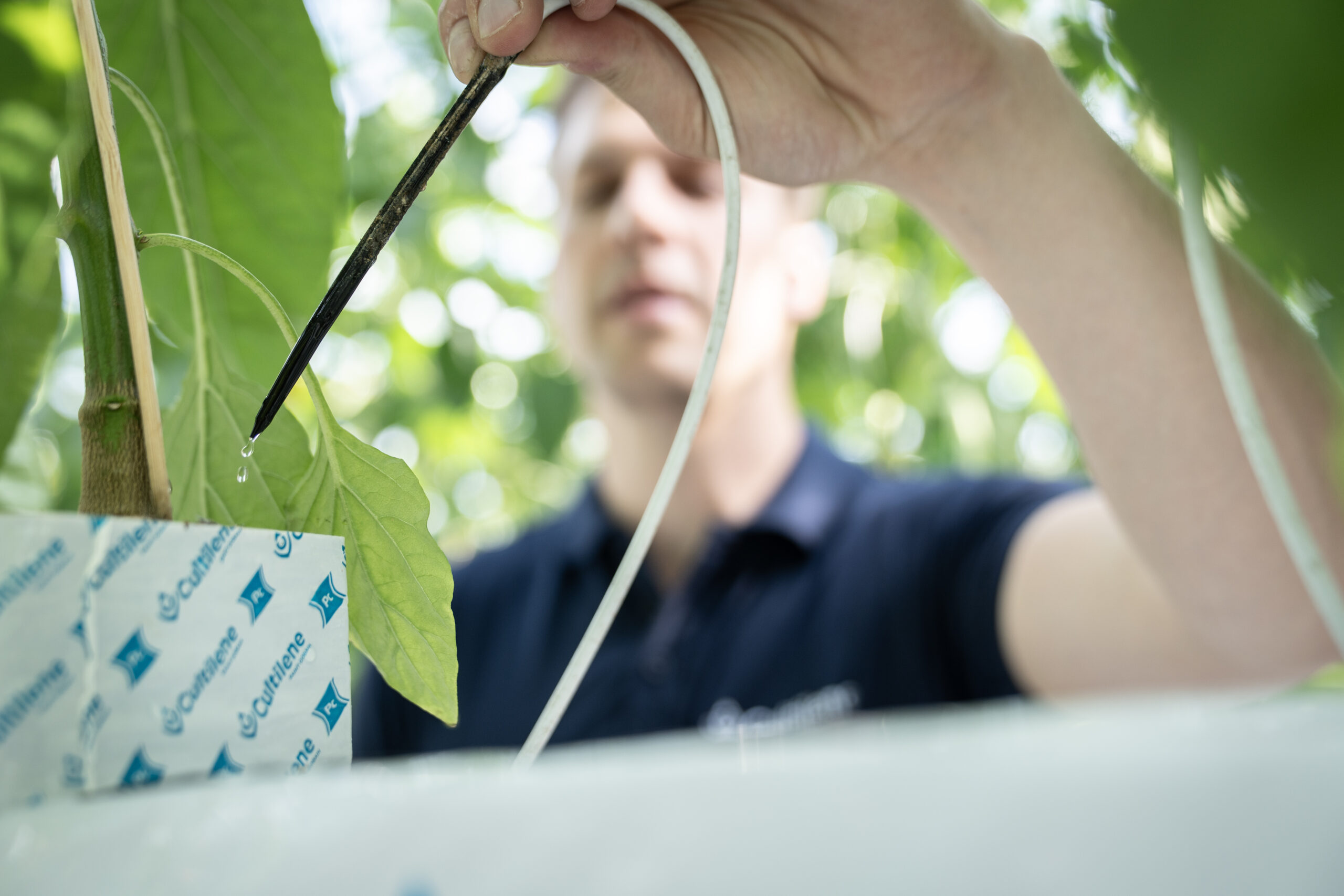
This article explains the important role of energy balances in a greenhouse and how we can support the crop and the greenhouse in getting rid of these huge amounts of energy.
Article
Empower plants through balanced climate control
Crops self-cooling strategies
The sun can bring 800 Watts per m2 inside a greenhouse. That is a huge amount of energy, especially considering the total size of greenhouses nowadays. However, only two per cent is converted by the crop canopy for growth, the other 98 per cent will leave the greenhouse. In that sense, plant production is not very energy efficient.
Artificial light
What is true for sunlight is also true for expensive artificial light, however, lamps bring less energy into the greenhouse. For example, to produce 200 mol/m2s, high pressure sodium lamps bring in 114/Wm2 of energy, while LED lamps bring in 74W/m2. When LED fixtures are water cooled, this energy is reduced to 48W/m2. What consequences does this have for the crop and the greenhouse when most of this energy must be released again? This article explains the important role of energy balances in a greenhouse and how we can support the crop and the greenhouse in getting rid of these huge amounts of energy.
What is energy balance?
Greenhouse production is bound to the rules of physics, and one of the most important rules is that energy never ‘disappears’ but is usually converted into different types of energy. For a greenhouse, energy input and output are always in balance (for more, refer to the first article of this series). The amount of energy absorbed by the plant is less than the energy entering the greenhouse, as part of the radiation is reflected. The plant can actually control that reflection by turning its leaves or by changing the shine of the leaf.
The amount of energy absorbed by the canopy can be measured with a device known as a net radiometer. The measures light energy that has entered the greenhouse in the visible and infrared (heat) ranges, then the subtracts the energy reflected by the canopy. The resulting measurement is the absorbed energy that must be converted by the plant to make the energy balance equal. So, the plant has its own energy balance to maintain.
Read the whole article? Download the complete Plant Empowerment whitepaper series
Other interesting articles
Other news

How do climate strategies influence plant health and pest pressure?
Open: How do climate strategies influence plant health and pest pressure?
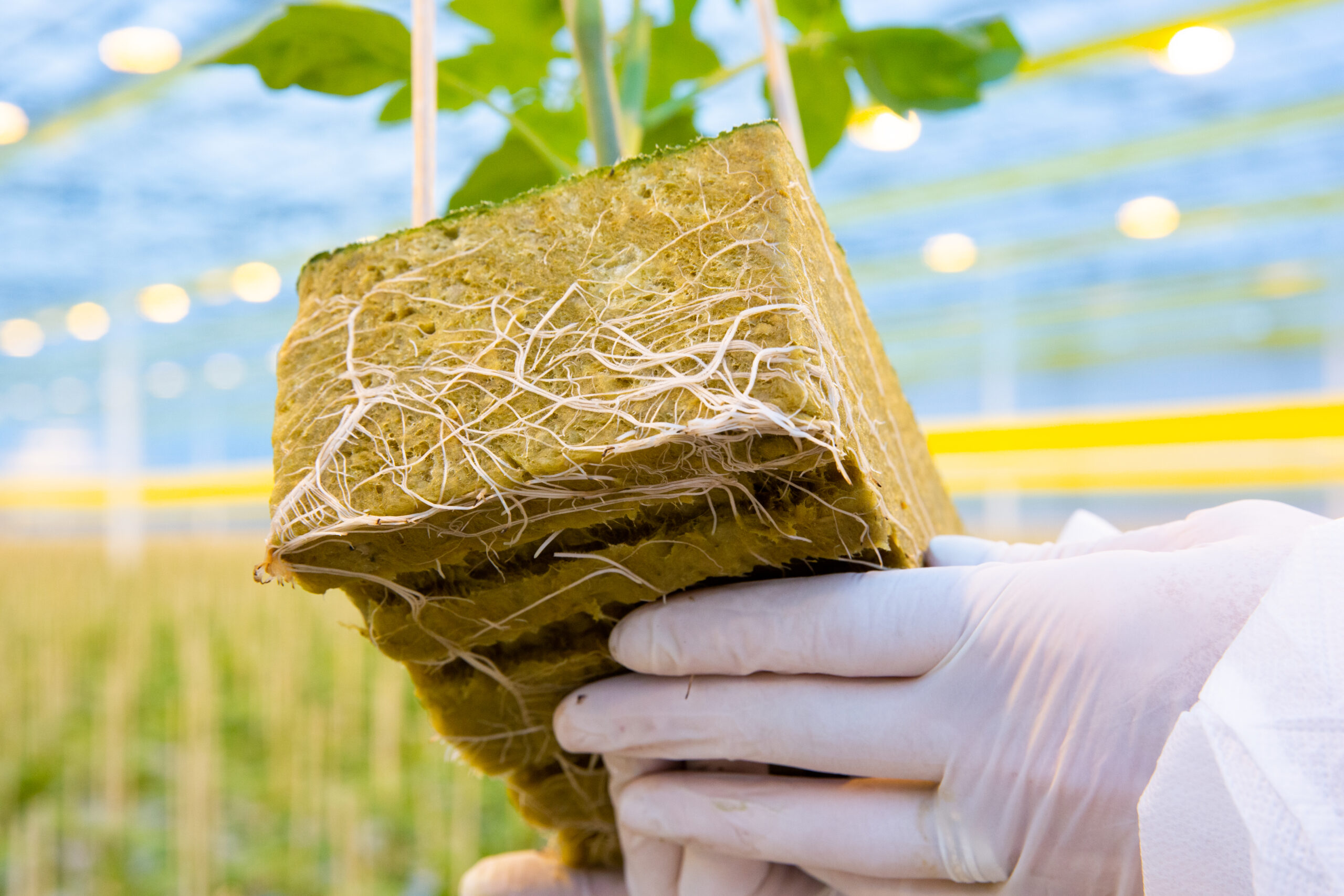
How do you create a healthy rootzone in greenhouse crops?
Open: How do you create a healthy rootzone in greenhouse crops?
Why do spider mites keep coming back in your greenhouse?
Open: Why do spider mites keep coming back in your greenhouse?