In this online course, Plant Empowerment specialists explain how artificial lighting influences plant physiology, climate and energy use. You’ll gain practical insights into optimizing your lighting strategy through expert video lessons and the accompanying e-book. The course includes the complete Lighting e-book at no additional cost and is also included in the Plant Empowerment Full Membership.
Course
How artificial lighting can optimize efficiency
Light is more than illumination
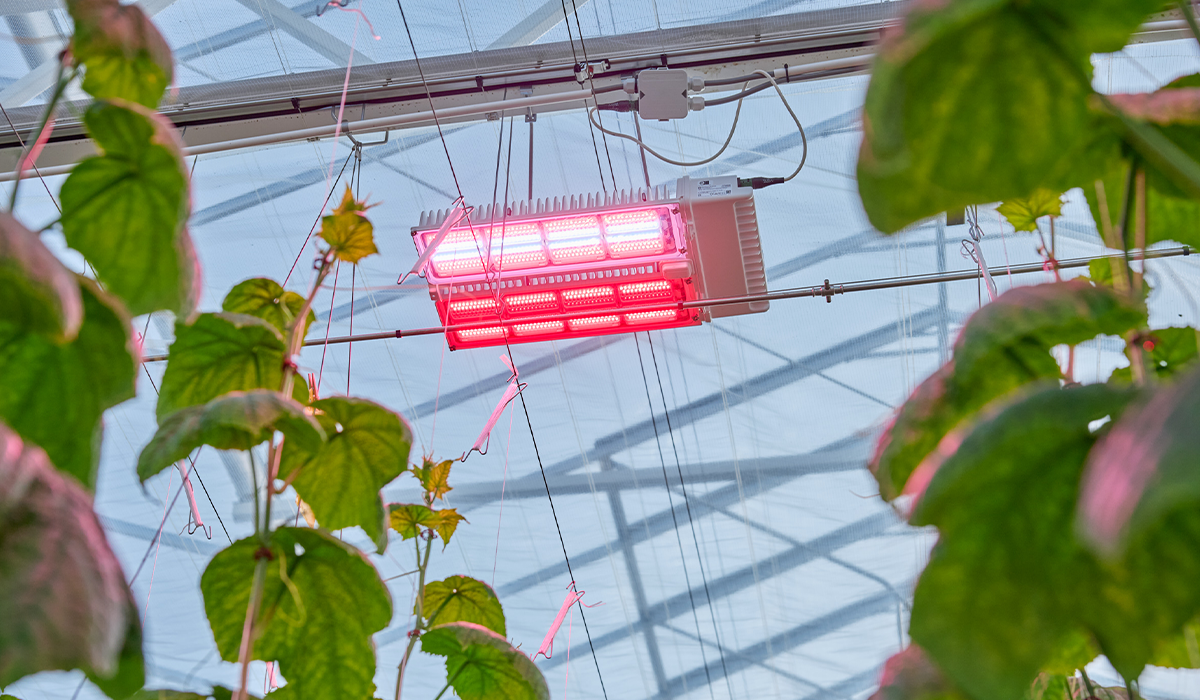
Artificial lighting doesn’t simply replace sunlight. It influences photosynthesis, plant temperature, transpiration and ultimately the entire greenhouse climate. Understanding these interactions helps you make better decisions about light intensity, spectrum, uniformity and energy consumption.
This course combines the Plant Empowerment philosophy with years of practical experience in greenhouse lighting, helping growers get the maximum value from every photon.
Course details
What you’ll learn
Discover how artificial lighting influences far more than photosynthesis alone. Throughout this course, you’ll learn how to use lighting as an integrated cultivation strategy that supports healthier plants while improving energy efficiency.
- Understanding artificial lighting: Learn how plants respond to supplemental lighting and why lighting strategies should always be aligned with climate, irrigation and plant activity.
- Spectrum & Light Quality: Discover how different light spectra influence crop development and how to choose the right lighting strategy for your greenhouse.
- PAR & Light Distribution: Understand why measuring Photosynthetically Active Radiation (PAR) is essential and how better light uniformity leads to more uniform crops.
- Heat & Plant Activity: Artificial lighting generates more than photons. Learn how lighting influences greenhouse temperature, transpiration and plant balance.
Who should join?
This course is ideal for growers, crop managers, consultants and greenhouse professionals who want to make better use of artificial lighting. Whether you’re working with LED, HPS or hybrid systems, you’ll gain practical insights into improving light efficiency while maintaining healthy, resilient crops and reducing energy consumption.
Practical information
More content about lighting



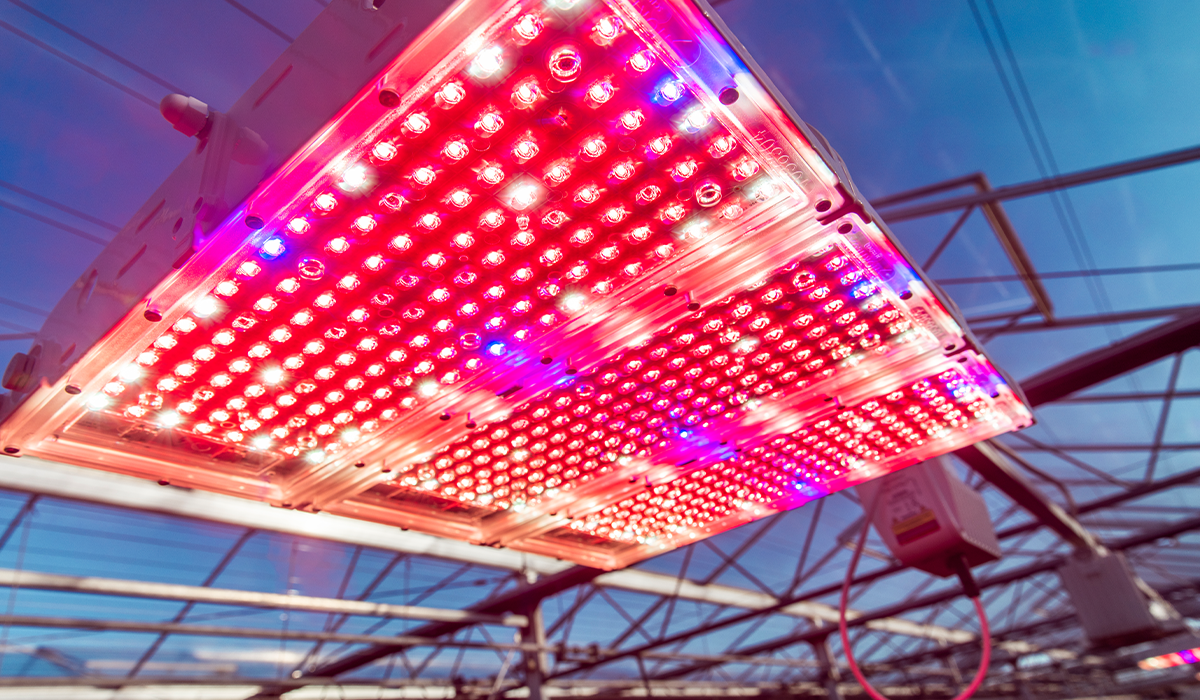
E-book lighting: How artificial lighting can optimize efficiency
Open: E-book lighting: How artificial lighting can optimize efficiency