Measure PAR inside the greenhouse
Start measuring
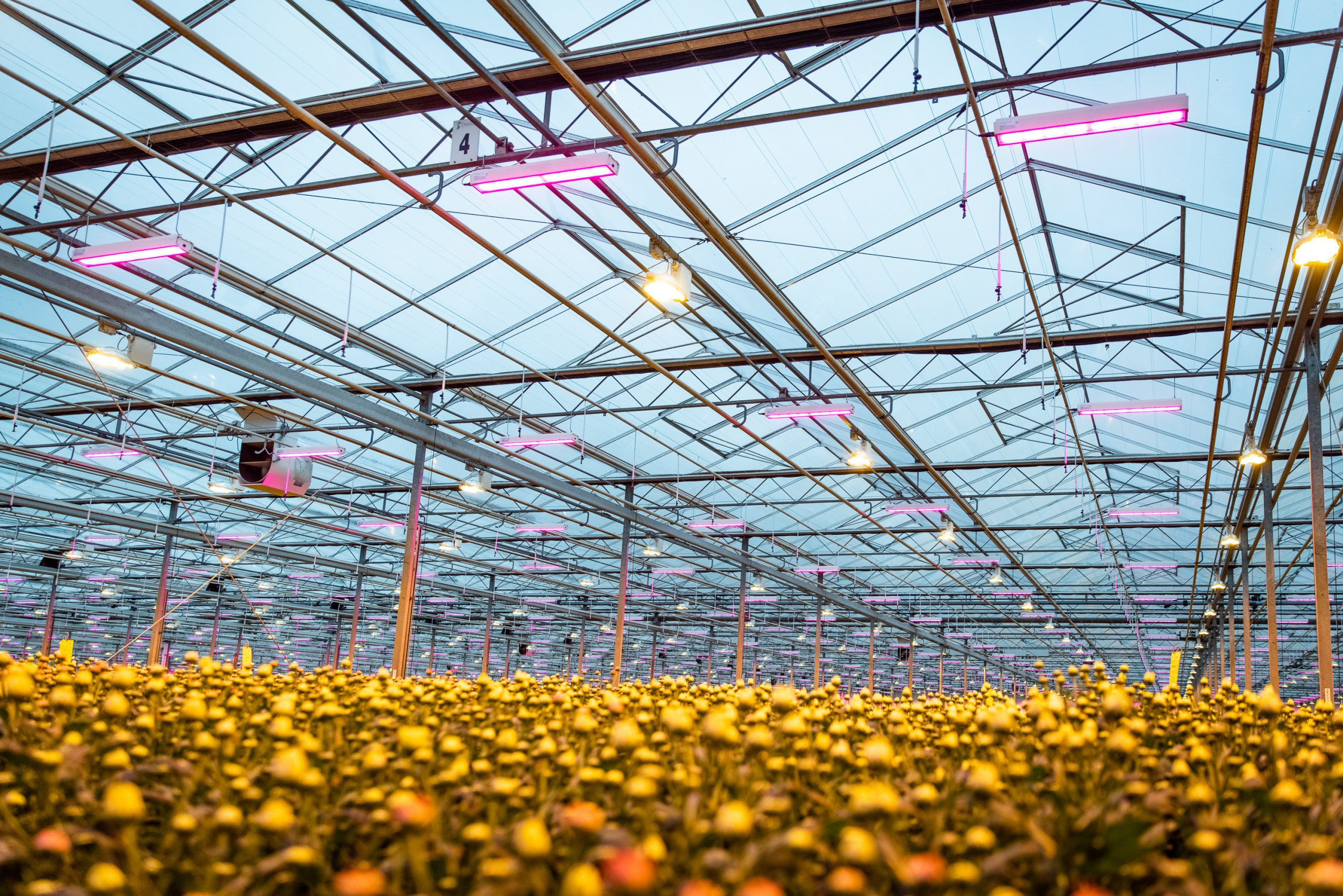
Measuring PAR inside the greenhouse together with Joules outside, gives you a more realistic and accurate insight in what your plants receive in terms of growth. Working only with Joules or watts can give you incomplete data about the quantity of grow light received during a day. For example; a 1000 Joule clear day results in different PAR sums depending on the season because of the solar elevation angle. When the sun is high in the sky, it will result in more PAR per Joule than when the sun is low. Clouds also change the PAR per Joule ratio. Cloudy days have a higher PAR per Joule ratio than clear days.
PAR makes life easier
Especially when you are using artificial lights, working with PAR is easier and more accurate than working with Joules. We all know the discussions around the formulas that are being used (for many many years) to convert the µmols/m².s of the lighting installation into Joules so sunlight and artificial light can be added up. It’s difficult with HPS lights but it gets even harder with hybrid or LED grow light installations. Using PAR will make your life much easier, this unit can be applied for all light sources and will tell you exactly what you need.
More accurate data
This information can help you to determine the day temperatures in your greenhouse more accurately because you are working with the light data (PAR) that contributes to growth, and that is what you want to know in order to realise an appropriate day temperature. This temperature to light (PAR) ratio is fundamental for maintaining a strong assimilate balance which will result in a more resilient crop and balanced production. The assimilate balance is one of the pillars of Growing by Plant Empowerment.

Stijn Jochems
Do you want to know more about PAR light?
Other news
Tip: Make a plan before the beginning of your crop cycle
Open: Tip: Make a plan before the beginning of your crop cycle